

1/2
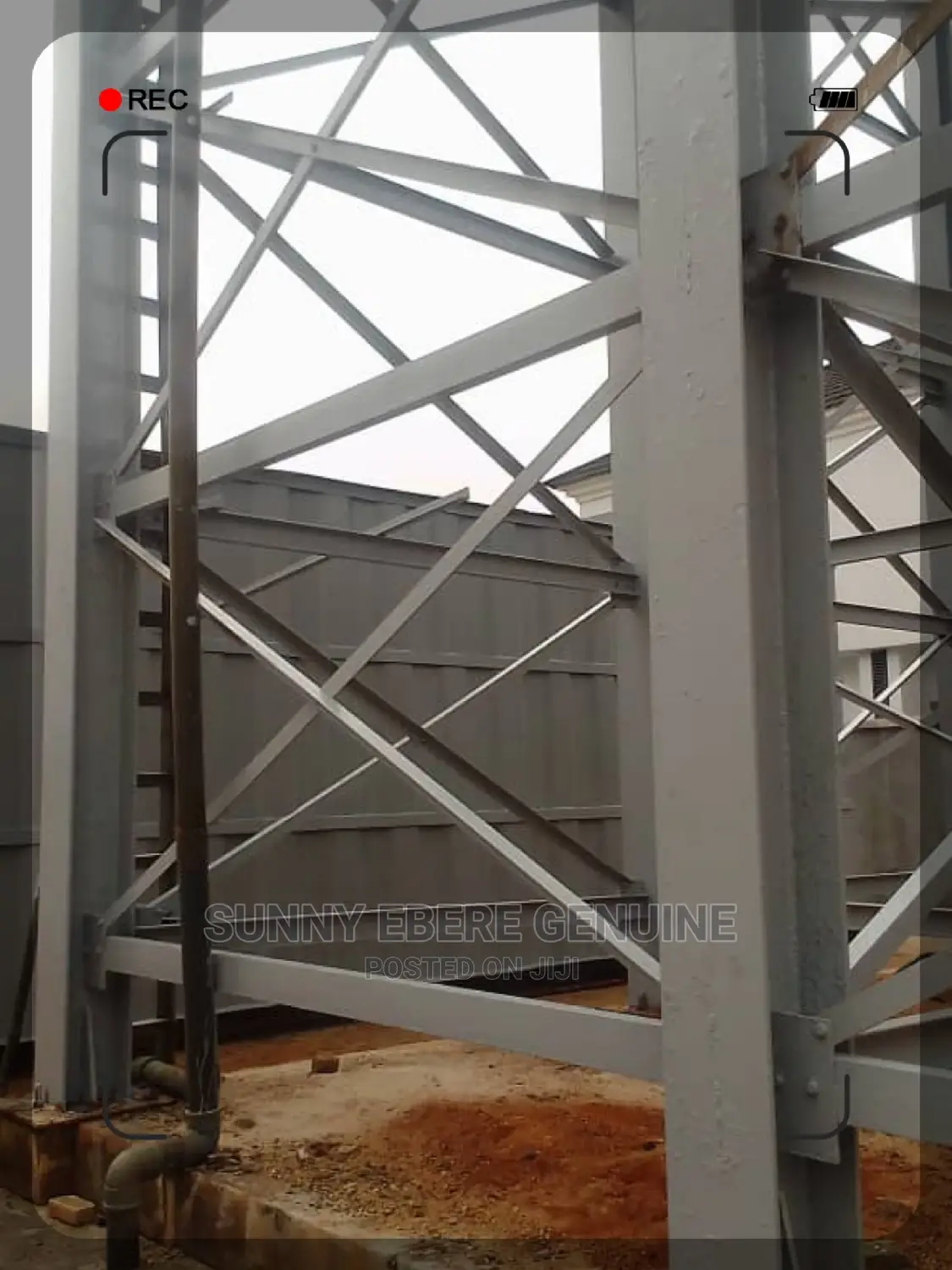
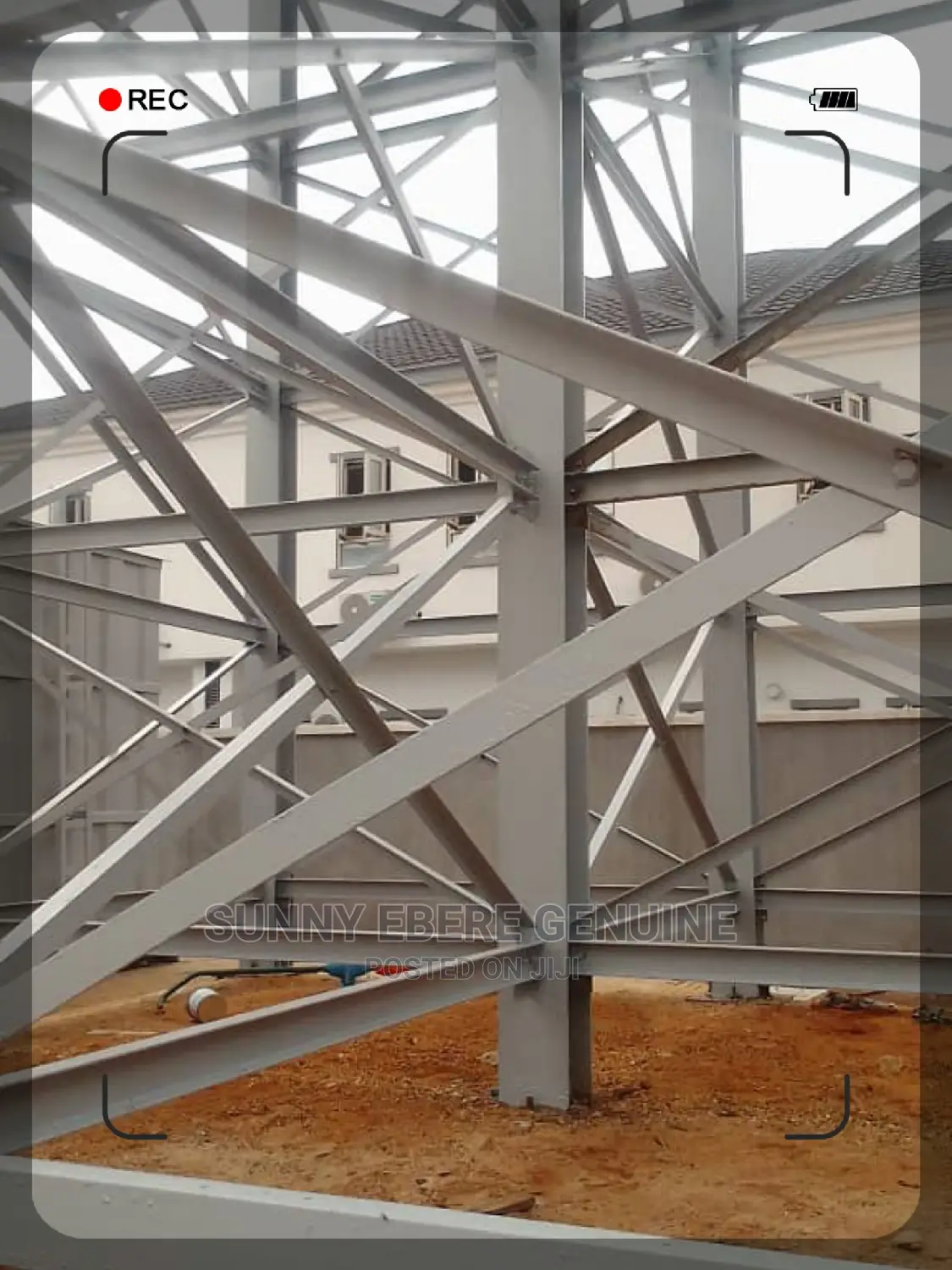
Sunny Ebere safety and tools enterprise, As long as steel has been used for potable water storage, linings have been used to protect it from corrosion, says Davies Hood of Induron Protective Coatings. Historically, some of the different types of linings included lead-based paints, coal tar epoxies, and vinyl ester products. Since the 1970s, however, potable water storage tanks have been largely protected by epoxy, Hood explains, and more recently zinc-rich, moisture-cured urethane products have been developed. As technology has evolved over time, the corrosion protection it offers has improved, ensuring the safety of stored potable water. Thick-film fiberglass reinforced polymer (FRP) was introduced in the mid-1950s as an alternative to replacing tank bottoms. They were orthophthalic polyesters that bridged gaps caused by underside corrosion and were assumed to provide protection from internal corrosion as well. By the early 1960s, isophthalic polyester resins were better able to withstand aggressive corrosive conditions. Vinyl ester resins were introduced in the middle 1960s and were used, due to their expense, only in applications requiring superior corrosion resistance or toughness properties. They have a polymer that has characteristics of polyester and epoxy. Some of the advantages of FRP systems are that they can bridge holes, with double laminates withstanding 82 psi and single laminates 37 psi. FRP linings cost less than replacing an existing steel tank bottom and the tank can be placed back into service much sooner than it could with conventional tank linings or bottom replacement with new steel. In many installations, FRP linings have a 35-plus year history of service. When properly selected and applied, FRP linings, which are considered secondary bottoms that bond tightly to the storage prevent leakage due to internal corrosion for 10 to 20 years. If the supporting steel bottom is perforated, these linings also can help minimize the problem of exterior corrosion by providing enough strength to bridge small perforations. Even if severe corrosion is present on the outside, it is possible to apply a double layer of the laminate for a total thickness of 110 to 120 mils. (Linings of less than 20 mils dry film thickness will not protect against leakage from outside corrosion. They are recommended only for relatively new tanks with no internal pitting and underside corrosion. 1 mil is equivalent to 1/1000 of an inch.) ONE VIEW ON NEW COATINGS Induron Protective Coatings, headquartered in Birmingham, AL, is an industrial coatings manufacturer. It focuses on protective linings for the interior of water tanks and sewer lines. The 72-year-old company introduced ceramic epoxy technologies, used for decades in ductile iron piping, to potable water products over 30 years ago, according to Davies Hood, president of the third-generation family-owned business. Corrosion resistance is the main focus of Induron’s work on innovative ceramic epoxy technologies for potable water tanks, says Hood. Epoxy transfers very well to the steel and concrete tank substrate, providing high film buildup since the thicker the film the more corrosive resistant the coating
Company Name
₦ 350,000 Show contact

Sunny Ebere Genuine
Safety tips
- Avoid paying inspection fees
- If possible, go for viewing with friends
- Check everything carefully to make sure it's what you need
- Don't pay in advance if it's impossible to move in immediately